
Start with roles, then test the matchup
A unit’s value depends on what it must kill, how quickly it reaches the frontline, and what its factory costs after the next purchase. The Steam description also says lower-tier units can gain later skills and synergies, so “low tier” is not a safe synonym for “never build.”
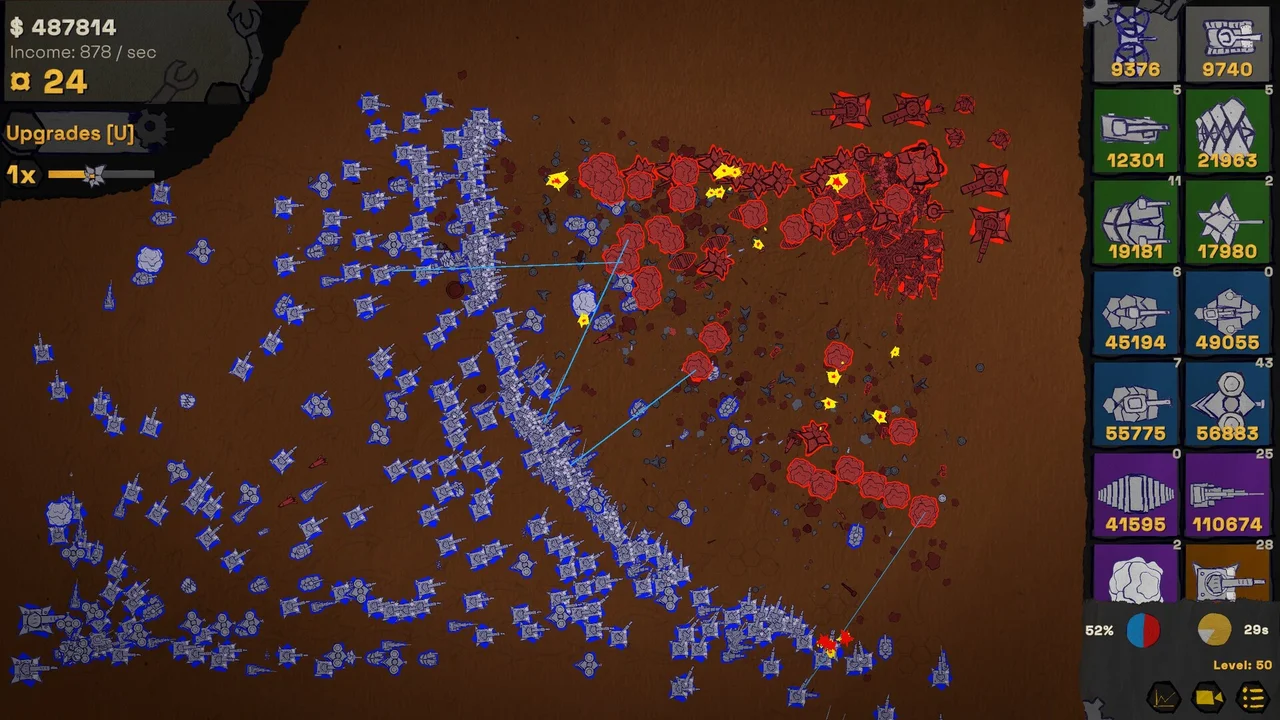
Current evidence map
Use the table below to decide what to test in the current build. It keeps player reports visible while making their limits explicit.
| Question | What is reported | What a replay must check |
|---|---|---|
| Mosquito | Players have reported Mosquito-heavy runs as unusually effective; the developer has acknowledged the balance concern. | Patch version, target mix, survival time, and whether the result holds after a rebuild. |
| Woodlouse | Community feedback describes high health while calling its practical performance weak in that version. | Role, enemy composition, support units, and whether durability creates enough frontline time. |
| Anti-air | A lack of strong splash anti-air is a reported player pain point. | Which enemy air units are present, what can target them, and the factory cost of the answer. |
| Mixed army | Lower-tier units may gain later skills and synergies according to the Steam description. | Whether the synergy is available in the tested build and beats a specialized line in the same wave. |
How to run a fair unit comparison
Compare one change at a time. Keep the level, upgrade state, factory count, and enemy pattern as close as possible, then record the result.
- Choose the wave or level that exposes the problem.
- Record the units, upgrades, and factory prices before the purchase.
- Swap one unit or one production emphasis.
- Compare frontline survival, target coverage, and rebuild cost—not only the final win.
The upgrade guide helps document tree choices, while the economy guide covers the price curve that can change a unit’s apparent value.
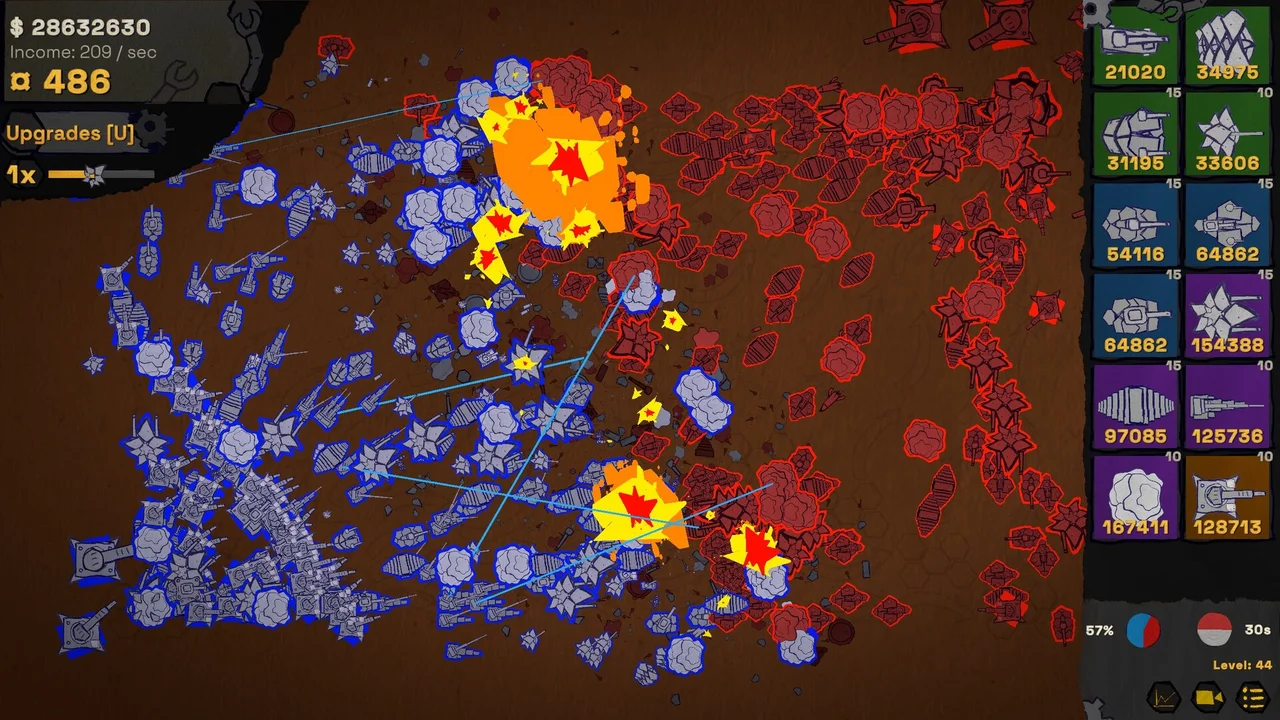
Why a permanent tier list would be misleading today
Mosquito and Woodlouse reports are useful because they are specific player questions, but they are also patch-sensitive. The developer’s planned skills and synergies for lower-tier units make future comparisons even more likely to move. Keep a dated test note and update a label when the build changes instead of presenting one “best unit” forever.
- Call a result “reported” when it comes from community discussion.
- Call it “observed” only when you have a reproducible run note.
- Leave exact DPS, health, production speed, and cost comparisons unpublished until the data is collected.
Play and test from the official entry point
Open the official game from the homepage’s online-play section, then return here to log the same matchup. This keeps the play button on-site while the official itch.io and Steam pages remain the source trail.